

Immigration, Explained
How instability, race, and fear became tools of government control

This post breaks down how the government creates instability, racializes immigration, and uses fear to maintain control especially during economic and political strain.
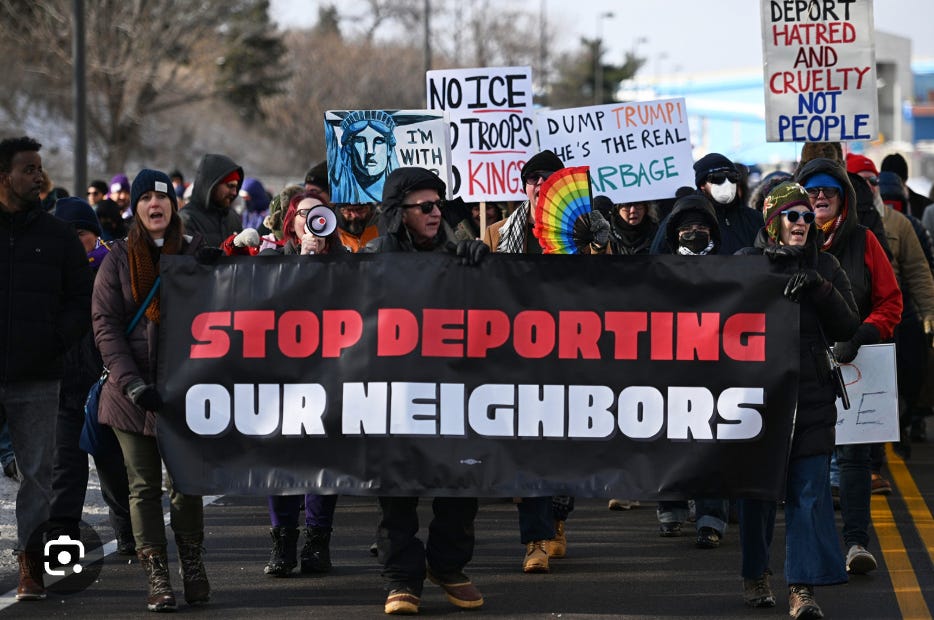
What’s happening right now with ICE raids in Minnesota is not a failure of the system. It is the system doing exactly what it was designed to do.
When I was 18, I had the opportunity to intern with the U.S. District Court. One experience from that time has stayed with me. I attended a naturalization ceremony where hundreds of immigrants officially became U.S. citizens. The room was filled with American flags. Families were there. People were emotional, proud, relieved. It was the moment many of them had been working toward for years.
Before the ceremony, my supervisor explained the citizenship process to me. It was long, expensive, and confusing, with many steps where people could be delayed or denied. For most applicants, even reaching the ceremony meant navigating years of paperwork, interviews, fees, and uncertainty.
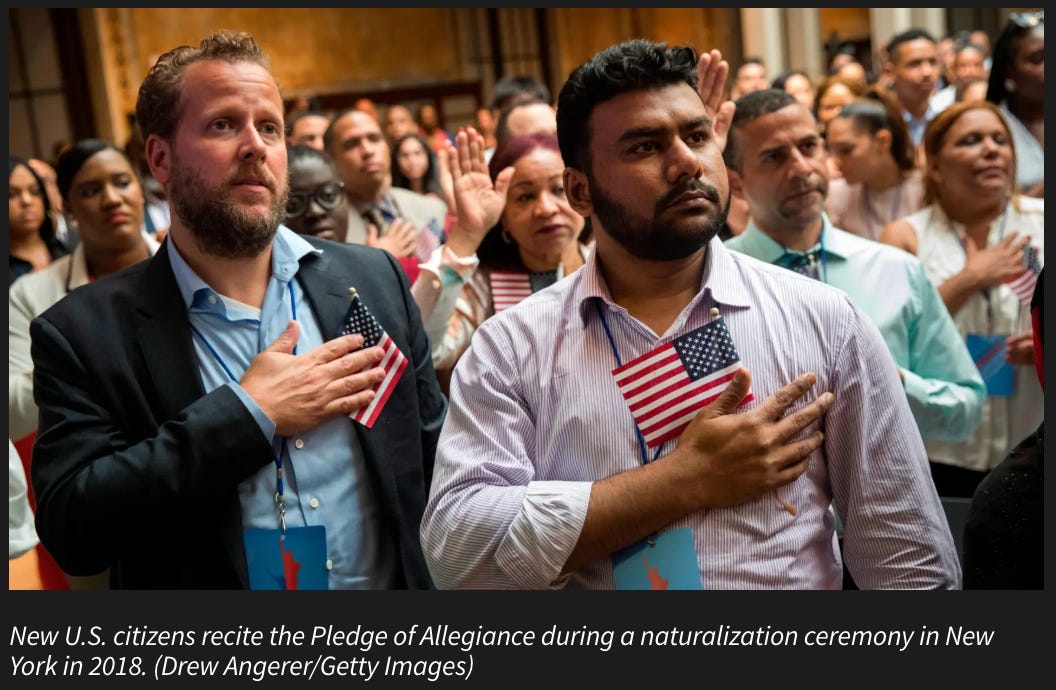
Seeing that ceremony made one thing clear: getting to that room wasn’t simple or guaranteed. It was the end of a process that is out of reach for many people, not because they don’t want to belong, but because the system makes belonging deliberately difficult.
The U.S. government has always relied on immigrant labor while intentionally keeping immigration status unstable. That instability is useful. It allows the government and corporations to extract labor without offering safety, permanence, or rights.
That’s their strategy. When people are allowed to work but not belong, they are easier to control.
The government creates the conditions, then blames the people
The government knows undocumented people are essential to the economy. Agriculture, food processing, construction, caregiving, hospitality. These industries depend on workers who are paid less and protected less.
At the same time, the government refuses to create clear, humane, and accessible paths to legal status.
Then, when housing costs rise, wages stagnate, and social services collapse, the government points at immigrants and says: this is the problem.
It’s misdirection. Instead of taking responsibility for economic failure, leadership manufactures an enemy.
Borders are a political tool
Here’s something many people don’t know.
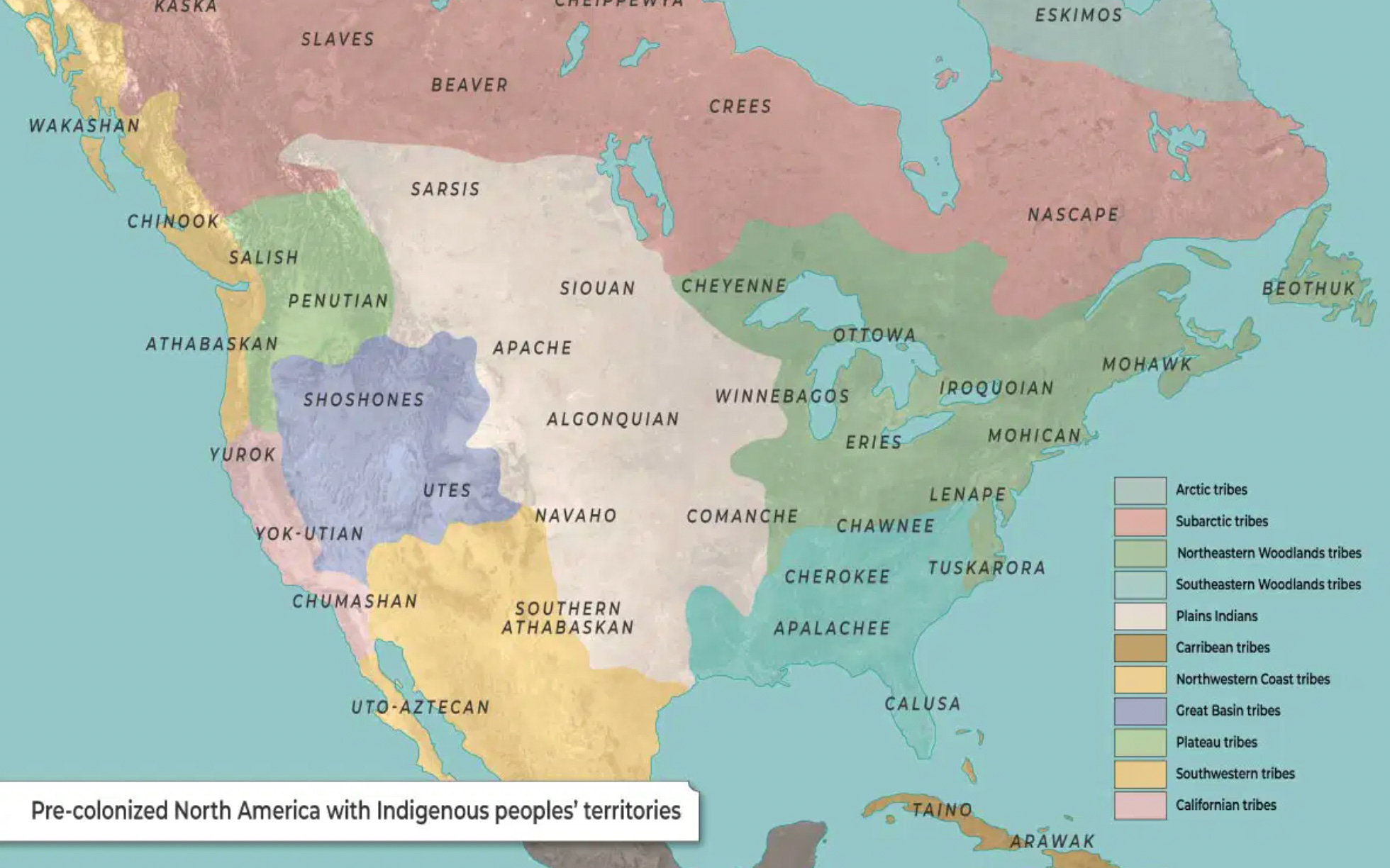
Many people being deported to Mexico, Central America, and South America are Indigenous. Their families lived on this land long before the U.S. or modern borders existed.
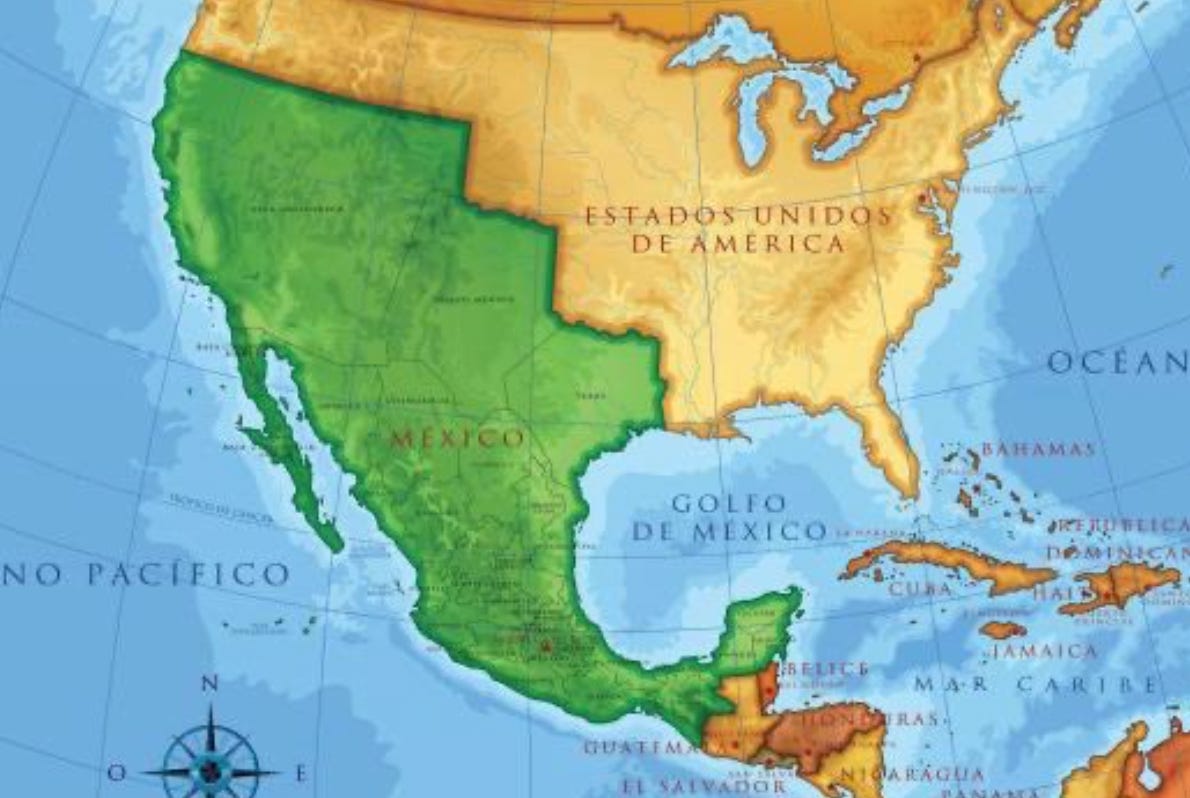
Borders came after colonization. When land was stolen and divided into countries, Indigenous people were forced to accept new identities to survive. “Mexican,” “Guatemalan,” or “Salvadoran” were not original identities. They were imposed by colonial governments.
Now the U.S. government uses those same labels to declare people “foreign” and removable.
This is not about legality. It’s about power deciding who belongs.
Why everything seems to always be about Race
Race is not the root of this violence. It’s the man made excuse for it.
Race was invented by governments to justify slavery, land theft, and labor exploitation. It created a story that made inequality seem natural instead of deliberate.
Immigration enforcement still uses race the same way.
The real issue is control over labor and movement. Race just makes it easier to sell the story to the public.
White people were never the exception
White people were not protected because the government values them more as humans. They were protected because they were useful allies.
Whiteness was sold as safety. As long as white people didn’t question the system, they were given stability and access.
That protection was always conditional.
As resources shrink and systems strain, the government pulls protection back. What feels shocking now is simply delayed exposure to how power actually works.
The government does not protect people. It protects itself.
Why raids get loud during crisis
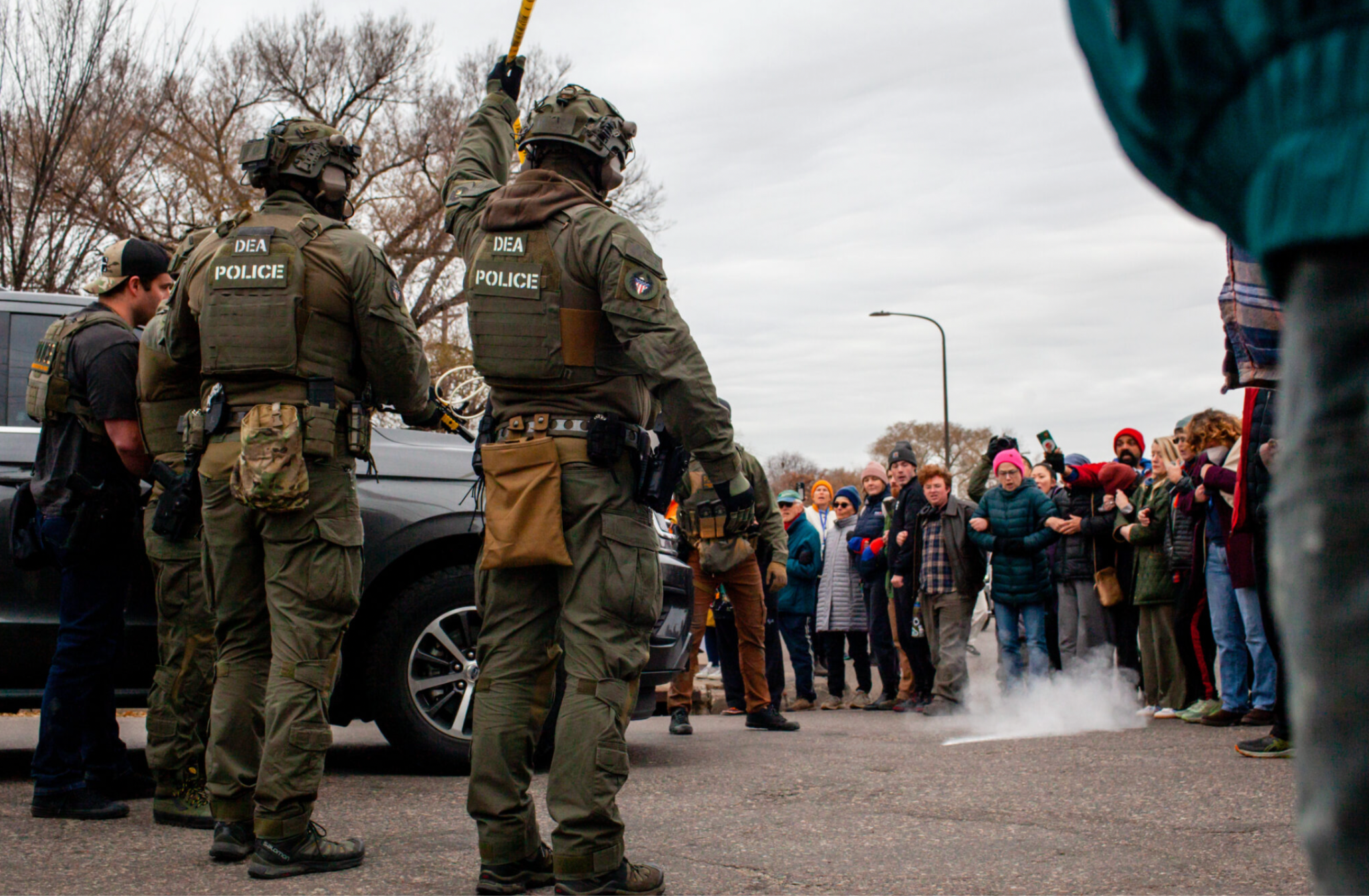
ICE raids increase when governments are under pressure. Rising costs, public distrust, failing infrastructure and political instability.
Raids are not about public safety. They are about visibility. They remind everyone that the government can disrupt lives at will. Fear keeps people distracted and divided. It keeps people from asking who created the conditions in the first place.
While this is not the first time ICE has conducted large-scale raids, the current level of enforcement is higher overall than in past eras. Earlier raids were typically isolated events meant to shock the public. Today’s enforcement is different. It is continuous, widespread, and sustained—resulting in more people being taken into custody over time. Past raids were meant to shock. Today’s enforcement is meant to normalize.
What actually protects us
Protection does not come from the government. History has made that clear.
Protection comes from:
Knowing your rights
Sharing accurate information, not rumors
Staying connected to neighbors and community
Offering quiet, practical support
Refusing to cooperate with unnecessary authority
Keeping people human, not political symbols
Community care is not soft and it is not always loud, but it is organized, and it is strategic.
Conclusion
The government created this crisis.
The government benefits from instability.
The government uses race, immigration and chaotic policy to avoid accountability.
Once you see that, the story changes and the question becomes:
What do we owe each other when the state keeps proving it cannot be trusted?
For further reading check out my last post, What is Capitalism Trying to Erase? Spoiler: They’re trying to erase the exact thing that will get us through these raids…